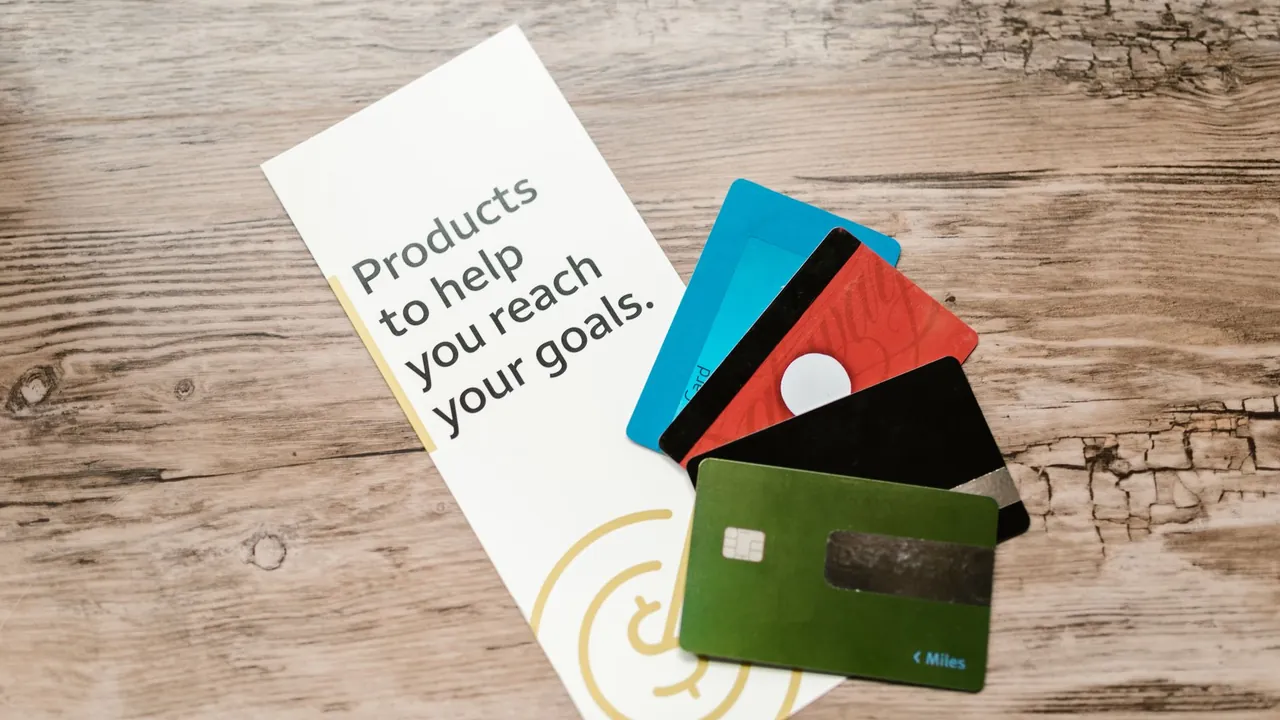
Paying for a subscription with a gift card or a prepaid card does not change how you cancel it. The card was only the funding method — the subscription itself still lives in an account at the service, an app store, or a payment platform, and that is where you turn it off. The card matters in one place: refunds. A refund usually goes back to the same card, and a store-bought gift card that has been spent down, lost, or thrown away can make that money hard to recover. This page walks through cancelling at the source first, then explains what a gift-card or prepaid-card refund can and cannot do.
Look at the receipt, the confirmation email, or the charge line on the prepaid card. If it reads APPLE.COM/BILL, the plan lives in your Apple account; a Google Play line means Google Play; a PayPal line means PayPal automatic payments; the company's own name means its website or app. That is where the cancel button lives, regardless of which card funded it.
Sign in to that account or app store, open Billing, Membership, or Subscriptions, and choose to cancel or turn off renewal. On an iPhone, that is Settings, your name, then Subscriptions; on Android, the Play Store under Payments and subscriptions. If the plan is on the company's own site, use its account settings.
A common trap is using a low-balance prepaid or gift card to start a free trial, then forgetting it. The trial still converts to a paid plan on the renewal date unless you cancel inside the account first. Cancel a day or two early to avoid timing or time-zone surprises, and keep the confirmation.
Keep a screenshot or the confirmation email showing the plan is cancelled or set not to renew, plus any reference number. If a charge still hits the prepaid card afterward, that record is what supports a refund request or a dispute.
If you are owed a refund, it generally goes back to the same card. Do not throw away or replace the gift or prepaid card until you have confirmed the refund posted, because a discarded or expired card can make that balance very hard to recover.
Watch out: a closed-loop store gift card — one that only works at a single retailer — usually has no card-network dispute path, so if a refund is denied there may be no bank-level backstop. Open-loop prepaid Visa or Mastercard cards behave more like a debit card.
Refunds to a prepaid or gift card can take up to about 15 business days to settle, and cannot be applied to a card that has expired or been replaced.
Gift-card and prepaid-card subscriptions are the easiest ones to lose track of, because they often skip your main statement. SubScan adds up every recurring charge you enter, flags the ones you no longer use, and shows your true monthly and yearly total with renewal dates up front. Everything runs on your device: no bank login, no account, no upload.
Find every recurring charge →How and whether a service offers a refund is set by the merchant, and gift and prepaid cards add their own limits, so outcomes vary. Separately, real consumer protections still apply to recurring billing: a proposed FTC "click-to-cancel" rule that would have tightened cancellation requirements was struck down by a US appeals court in July 2025 and is not currently in effect, but rules such as ROSCA and various state auto-renewal laws still require clear terms and a straightforward way to cancel online. For a charge you did not authorize on an open-loop prepaid Visa or Mastercard, Regulation E may cover unauthorized debit transactions, and the Fair Credit Billing Act gives roughly 60 days from the statement date to dispute a credit-card charge — though closed-loop store gift cards generally fall outside those card-network protections. This page is informational and does not cancel, refund, or dispute anything for you.
No. When the balance reaches zero the charge simply fails, but the subscription usually stays active. Many services then retry the charge, pause your access, or carry the balance forward, so you should log in to the account or app store and cancel it directly rather than relying on the card running out.
In the same place anyone else would: the account at the service, the app store the plan was billed through, or PayPal if it ran through PayPal. Check the statement descriptor or confirmation email to see which one, then cancel in that account's billing settings. The gift card was only the funding method, not the place the subscription is managed.
Usually yes, if a refund is granted and the card is still valid and in your possession. Refunds typically return to the same card used at checkout and can take up to about 15 business days to settle. A card that has expired, been replaced, or been thrown away can stop the refund from reaching you, so keep it until any refund clears.
It depends on the card. An open-loop prepaid Visa or Mastercard behaves like a debit card and may have a dispute path through the card network. A closed-loop store gift card that only works at one retailer generally has no card-network dispute option, so the merchant's own policy is usually your only route. Cancelling at the source first is what stops future charges either way.
List every recurring charge you know about, including ones funded by gift cards, prepaid cards, or PayPal, and check your true monthly and yearly total along with each renewal date. SubScan does this on-device, with no bank login, so a plan funded outside your main statement does not quietly slip past you.
For informational purposes only — not financial or legal advice. Whether a charge can be refunded, and whether a refund can reach a gift or prepaid card, is at the discretion of the merchant and the card terms and is not guaranteed. Consumer-protection rules such as the Fair Credit Billing Act, Regulation E, ROSCA, and state auto-renewal laws apply in the United States and details can vary by state, by card type, and over time; confirm the current process and your rights with your own bank, card issuer, or a qualified professional. Brand and service names are used for identification only.